Every chapter before this one has been about what a place looks like: the color of the sky, a unique wildlife encounter, the character of a canyon wall, the way the night lights up with the stars. This chapter is different. These monuments were never meant to be scenery. They were built, polished stone by deliberate polished stone, to hold meaning. No photograph of them is really complete without understanding what they're asking of the people who come to see them.
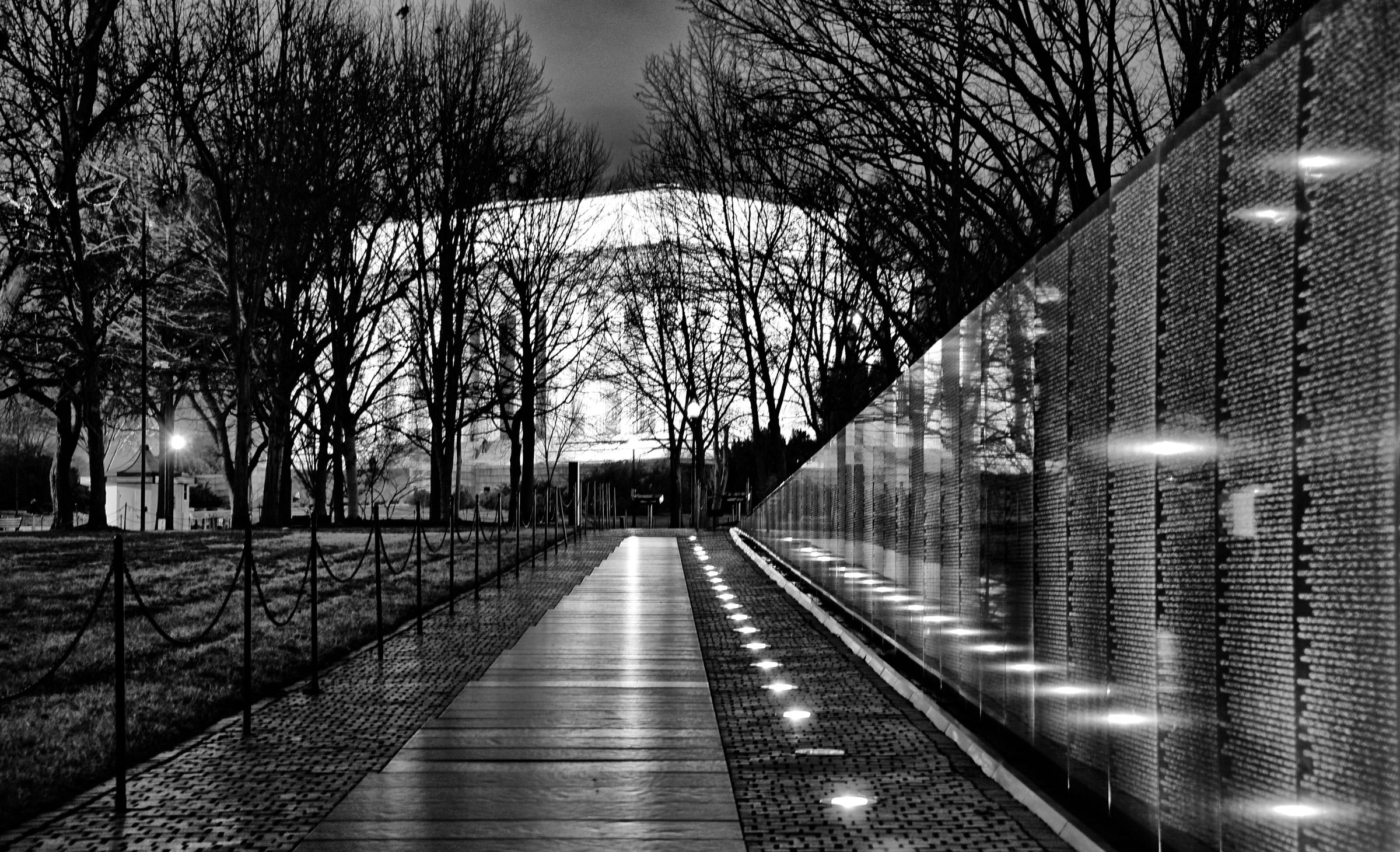
That's where the stillness comes in. It isn't the quiet of an empty field or a still morning on the water, it's a stillness that's a choice. You can watch it happen at the Vietnam Memorial, where a crowd that was talking a moment before goes silent the instant they come in proximity of that black granite wall with the names of the fallen.
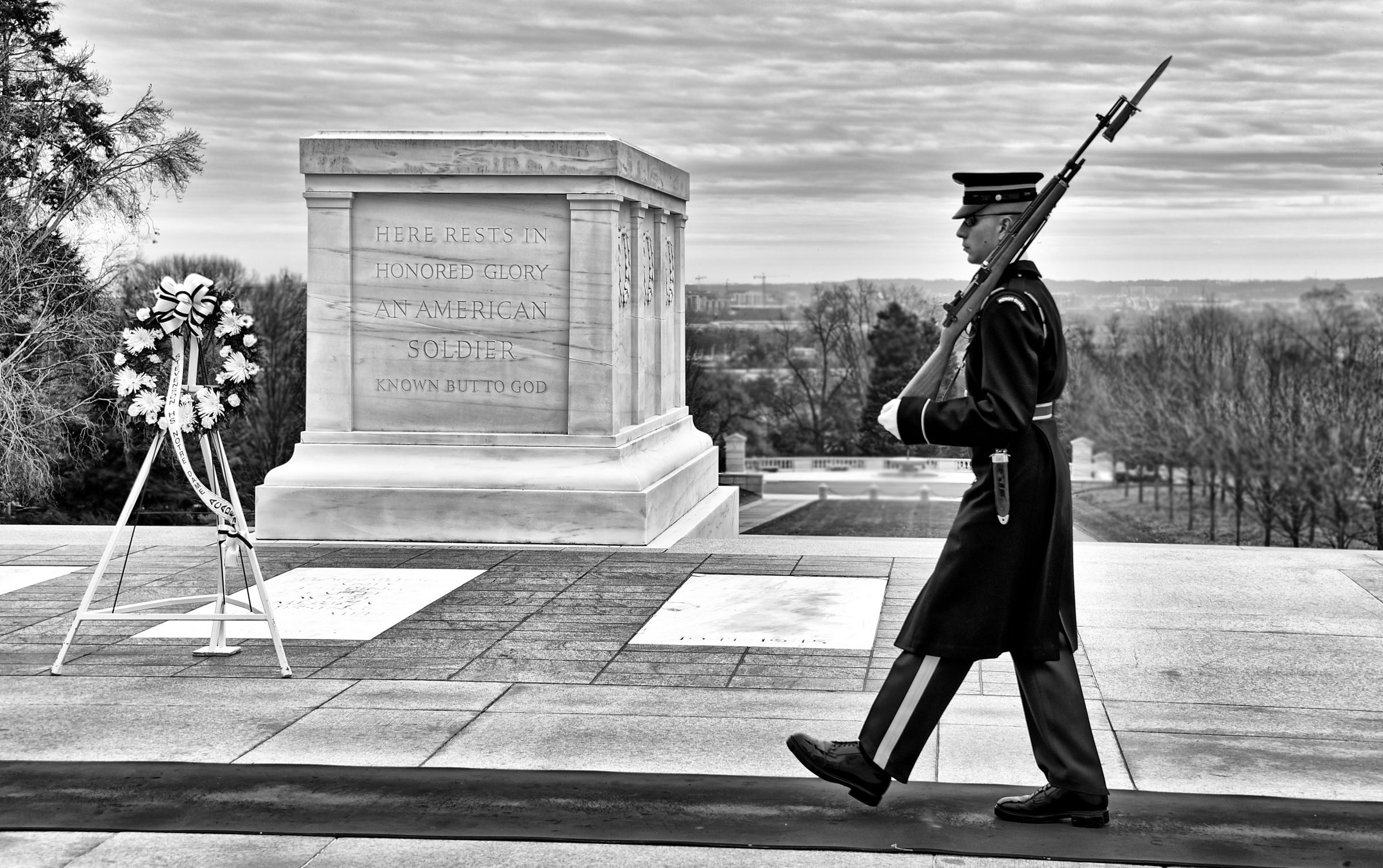
You can watch it at the Tomb of the Unknown Soldier, where a guard's precise 21 steps turn that simple, yet structured cadence into an act of unbroken respect, rain or shine, day or night, for a soldier who forever remains unnamed.
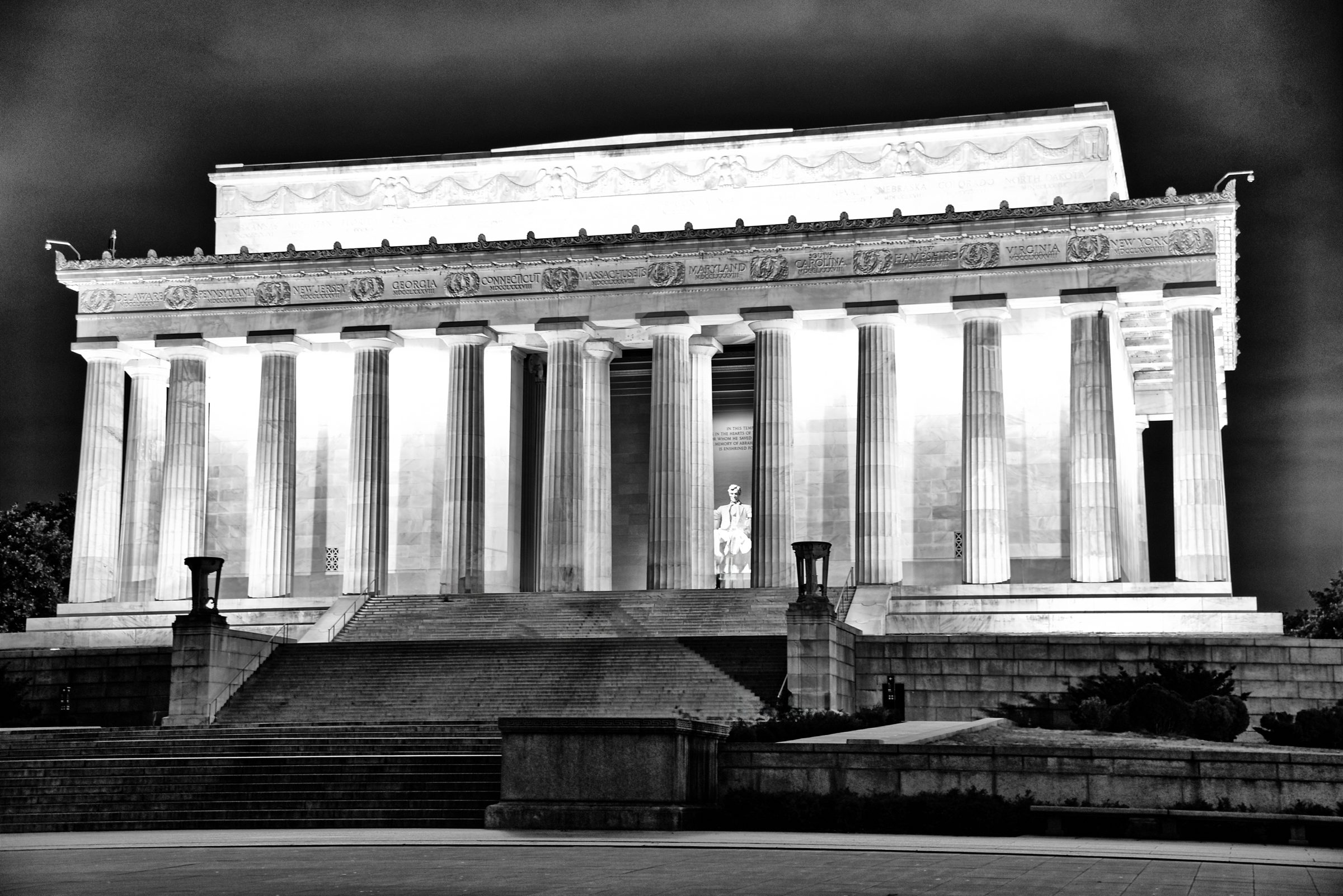
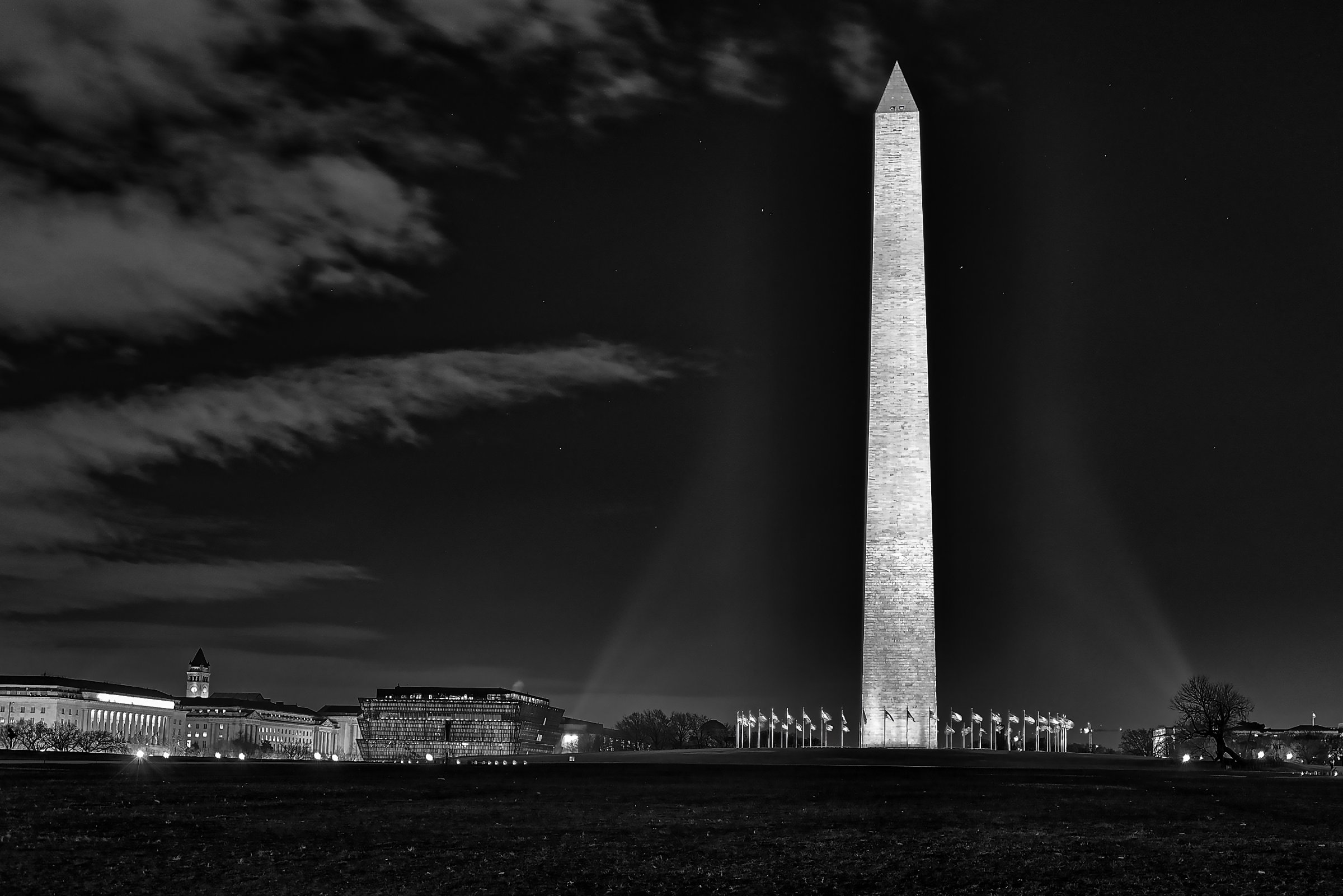
Even the Washington Monument and the Lincoln Memorial, built to honor ideas as much as men, seem to ask visitors to slow down and go quiet before they've fully realized they're doing it.
These photographs aren't about capturing a moment the way the rest of this site does. They're about capturing what happens when a place is built for a specific remembrance, and what it looks like when people, without being told to, remember it well.
Black and white has been used by design. The strength of those two very precise shades epitomize the power and solemnity associated with each of these very purposefully erected monuments.